
Gulf Conflict Impact on Thailand Tourism & Global Markets: Full Detailed Analysis (2026)
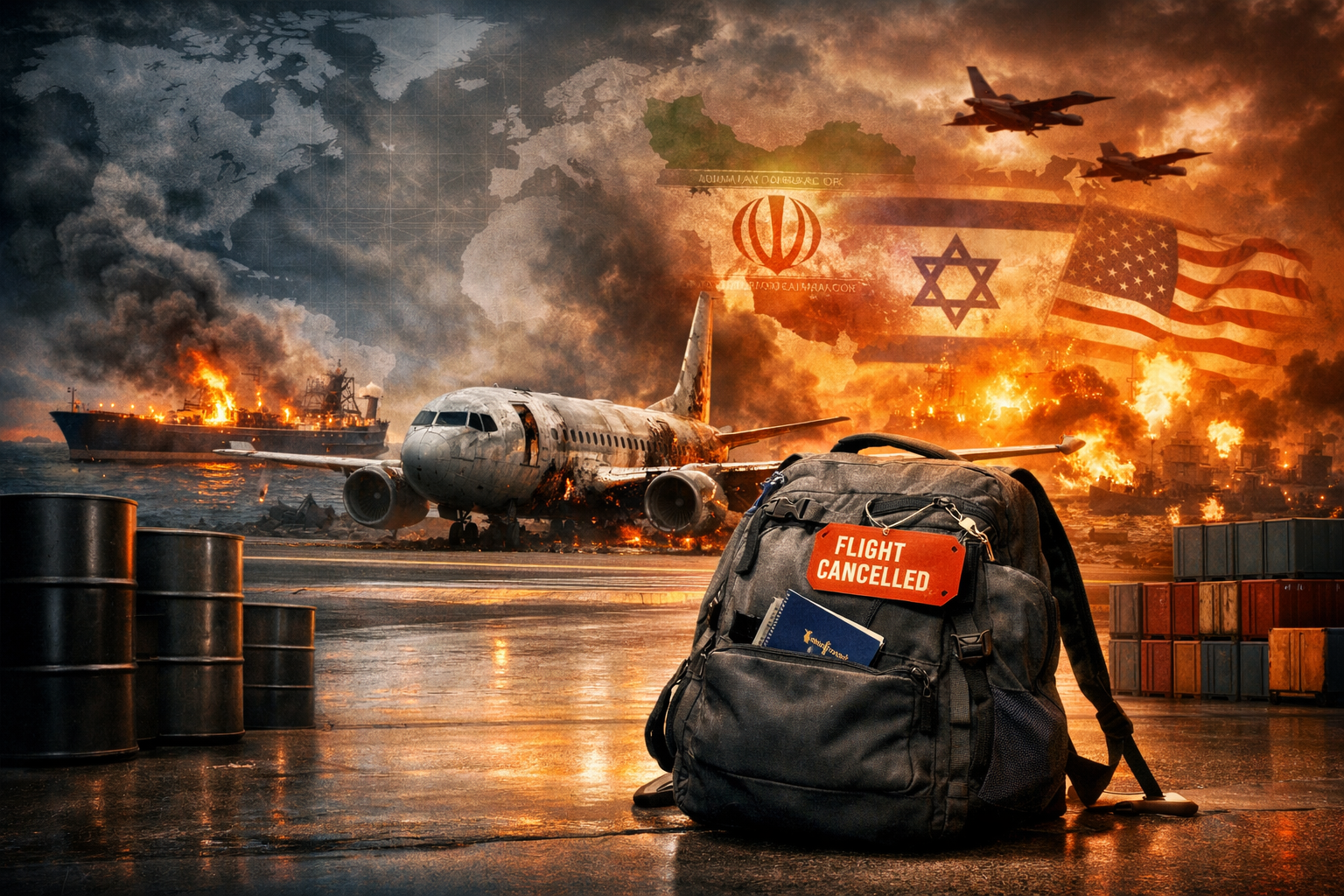
The ongoing geopolitical tensions in the Gulf region, particularly involving Iran, have begun to create ripple effects far beyond the Middle East. While the conflict is geographically concentrated, its consequences are being felt across global industries—most notably in travel, tourism, and financial markets.
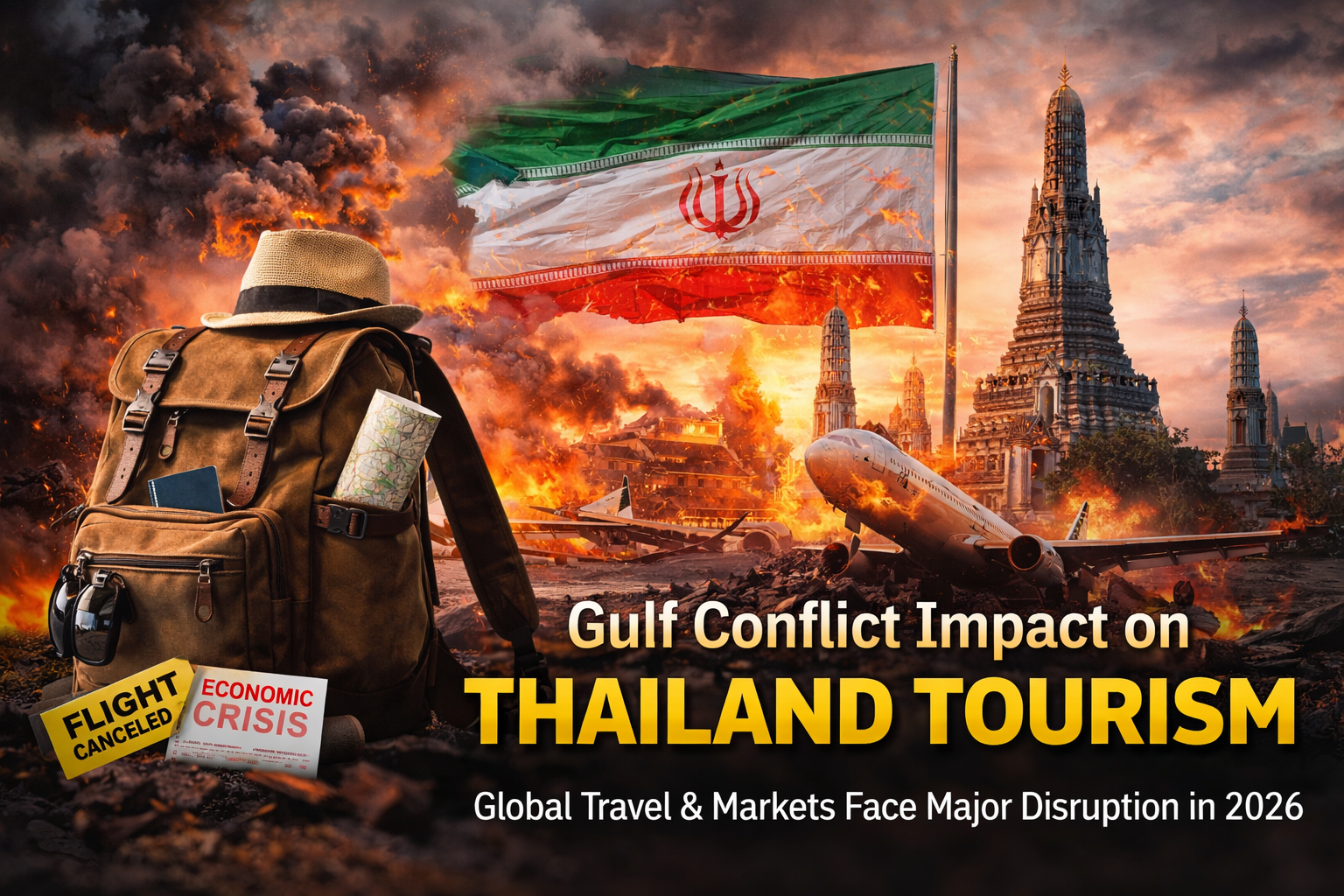
One of the most surprising impacts has been observed in Thailand, a country thousands of kilometers away from the conflict zone. Despite being a safe and popular tourist destination, Thailand’s tourism industry is experiencing noticeable disruptions. This situation highlights how interconnected the global economy has become.
In this article, we will explore in detail how the Gulf conflict is affecting Thailand’s tourism sector, influencing global travel patterns, and creating uncertainty in international markets.
Understanding the Global Nature of the Crisis
At first glance, a regional conflict may seem limited in scope. However, in today’s globalized world, even localized geopolitical tensions can have far-reaching consequences.
Countries like United Arab Emirates and Qatar serve as major aviation hubs connecting Europe, Asia, and Africa. When instability affects these regions, it disrupts international travel routes, supply chains, and economic flows.
This interconnected system means that a disruption in one region can quickly cascade into multiple sectors worldwide.
Why Tourism Is the First Industry to React
Tourism is one of the most sensitive industries in the world. Unlike essential sectors, it is heavily influenced by perception, safety concerns, and consumer confidence.
When news of conflict spreads, travelers often react immediately by:
- Canceling bookings
- Postponing trips
- Choosing alternative destinations
This reaction occurs even if the destination itself is completely safe.
For example, Thailand is not directly involved in the conflict. However, the psychological impact of global instability leads travelers to reconsider long-distance trips.
Thailand’s Tourism Industry: A Quick Overview
Thailand is one of the most popular tourist destinations globally. Before the current tensions, the country was experiencing strong recovery growth following pandemic-related disruptions.
Key highlights:
- Millions of international visitors annually
- Strong dependency on European and Middle Eastern tourists
- Major destinations include Bangkok, Phuket, and Pattaya
Tourism contributes significantly to Thailand’s GDP, making it highly vulnerable to global disruptions.
🌍 How the Gulf Conflict Is Affecting Thailand
1. ✈️ Flight Route Disruptions
One of the most immediate impacts of the Gulf conflict is the disruption of international air routes.
Many flights traveling between Europe and Asia pass through Middle Eastern airspace. When this airspace becomes restricted or unsafe:
- ✈️ Flights are rerouted
- ⏱️ Travel times increase
- 💰 Operational costs rise
As a result:
- 📉 Airlines reduce flight frequency
- 💸 Ticket prices increase
- 👥 Passenger demand decreases
👉 This directly affects Thailand, as fewer tourists are willing to undertake longer and more expensive journeys.
2. ⛽ Rising Fuel Prices
Geopolitical tensions in the Gulf often lead to fluctuations in oil prices. Since aviation fuel is a major cost component for airlines, any increase in oil prices has a direct impact on ticket prices.
Consequences include:
- 💸 Higher airfare
- 📉 Reduced affordability for travelers
- 🌍 Decline in long-haul travel demand
👉 Thailand, being a long-distance destination for many travelers, is particularly affected by this trend.
3. 😨 Decline in Tourist Confidence
Even though Thailand is geographically safe, global travelers often perceive risk on a broader regional level.
This leads to:
- ❌ Reduced bookings from Europe and the Middle East
- 📉 Increased cancellations
- 🌍 Preference for nearby or “safer-feeling” destinations
👉 Traveler psychology plays a crucial role here. Fear spreads faster than facts, and perception often outweighs reality.
4. 🇪🇺 Impact on European Tourists
European travelers form a significant portion of Thailand’s tourism market. However, due to the Gulf conflict:
- ✈️ Flight routes from Europe are disrupted
- 💸 Travel costs have increased
- ⏱️ Travel duration has extended
👉 As a result, many European tourists are either postponing trips or choosing alternative destinations closer to home.
5. 🌍 Middle Eastern Tourist Decline
Tourists from Gulf countries also contribute to Thailand’s tourism revenue. However, ongoing tensions in their home region affect their travel behavior.
Factors include:
- 📉 Economic uncertainty
- ⚠️ Safety concerns
- 💸 Reduced discretionary spending
👉 This further compounds the decline in Thailand’s tourism numbers.
Estimated Economic Impact
Early projections suggest that Thailand could lose hundreds of thousands of tourists if the situation continues.
Potential impacts:
- Significant drop in tourist arrivals
- Revenue loss in billions
- Negative impact on local businesses
Industries affected include:
- Hotels and resorts
- Restaurants and nightlife
- Transport services
- Tour operators
The multiplier effect means that even a small decline in tourism can lead to widespread economic consequences.
Global Market Reactions
The Gulf conflict is not only affecting tourism but also creating volatility in global financial markets.
Key Effects:
1. Stock Market Uncertainty
Investors tend to react cautiously during geopolitical tensions. This leads to:
- Market fluctuations
- Reduced investor confidence
- Increased volatility
2. Currency Movements
Currencies of tourism-dependent countries may weaken due to reduced foreign inflows.
3. Investment Delays
Businesses may postpone expansion or investment decisions due to uncertainty.
The Role of Aviation Hubs
Airports in the Middle East, such as those in the United Arab Emirates and Qatar, are among the busiest transit points globally.
When these hubs face disruptions:
- Global connectivity is affected
- Flight schedules become unpredictable
- Passenger experience deteriorates
This indirectly impacts destinations like Thailand that rely heavily on connecting flights.
Behavioral Changes in Travelers
The current situation has led to noticeable changes in traveler behavior.
Emerging Trends:
- Preference for short-haul travel
- Increased demand for domestic tourism
- Higher importance of travel insurance
- Flexible booking options
Travelers are becoming more cautious and selective in their planning.
Short-Term vs Long-Term Impact
Short-Term Impact:
- Immediate drop in bookings
- Increased cancellations
- Rising travel costs
Long-Term Impact:
If the conflict persists:
- Structural changes in travel routes
- Shift in global tourism patterns
- Increased competition among destinations
However, tourism is known for its resilience and ability to recover quickly once stability returns.
Positive Signs and Recovery Potential
Despite the challenges, there are several factors that support recovery:
- Thailand remains a safe destination
- Strong tourism infrastructure
- High global demand for travel
- Government support initiatives
Historically, the tourism industry has bounced back after crises, often stronger than before.
Government and Industry Response
Authorities and tourism bodies in Thailand are actively monitoring the situation and taking steps to minimize impact.
Measures may include:
- Promotional campaigns
- Discounts and travel incentives
- Strengthening domestic tourism
- Enhancing safety communication
These efforts aim to restore traveler confidence and maintain industry stability.
Lessons from Past Crises
The global tourism industry has faced multiple challenges in the past, including pandemics, financial crises, and regional conflicts.
Key lessons:
- Transparency builds trust
- Quick response is crucial
- Diversification of markets reduces risk
Thailand has successfully navigated previous crises, which provides optimism for recovery.
Strategic Importance of Diversification
One of the key takeaways from the current situation is the importance of diversifying tourism markets.
Relying heavily on specific regions can increase vulnerability. Expanding into new markets can help reduce risk and ensure stability.
Future Outlook
The future of Thailand’s tourism industry depends largely on how the Gulf conflict evolves.
Possible Scenarios:
1. Quick Resolution
- Rapid recovery
- Surge in travel demand
- Stabilization of prices
2. Prolonged Conflict
- Continued uncertainty
- Long-term decline in tourism
- Structural changes in global travel
Conclusion
The Gulf conflict serves as a powerful reminder of how interconnected the world has become. Even countries far removed from the conflict zone, like Thailand, are experiencing its effects.
From disrupted flight routes to declining tourist confidence and rising travel costs, the impact is multifaceted and significant.
However, the situation is not without hope. Thailand’s strong tourism foundation, combined with global demand for travel, positions it well for recovery once stability returns.
For travelers, businesses, and policymakers, the key lies in adaptability, awareness, and strategic planning.
Final Takeaway
The Gulf conflict is not just a regional issue—it is a global economic event. Its effects on Thailand’s tourism industry highlight the fragile yet resilient nature of the travel sector.
While challenges remain, the path to recovery is clear: restore confidence, ensure safety, and adapt to changing global dynamics.
🔥 Gulf Conflict Shocks Global Tourism: Thailand Travel Industry Under Pressure
💥 Iran War Effect: How Gulf Conflict Is Disrupting Thailand Tourism & Global Markets
🌍 Travel Crisis 2026: Gulf Conflict Hits Thailand Tourism and Global Economy
✈️ Flights, Fuel & Fear: How Gulf War Is Impacting Thailand Tourism Worldwide
⚠️ Global Tourism Under Threat: Thailand Faces Fallout from Gulf Conflict
📈 How Gulf Conflict Is Affecting Thailand Tourism and Global Travel Industry
📊 Thailand Tourism Impact 2026: Gulf Conflict, Flight Disruptions & Market Effects
🌐 Gulf War Impact on Global Travel: Thailand Tourism at Risk Explained
📰 Middle East Conflict and Its Impact on Thailand Tourism & Global Markets
📉 Why Thailand Tourism Is Declining Due to Gulf Conflict (Full Analysis)