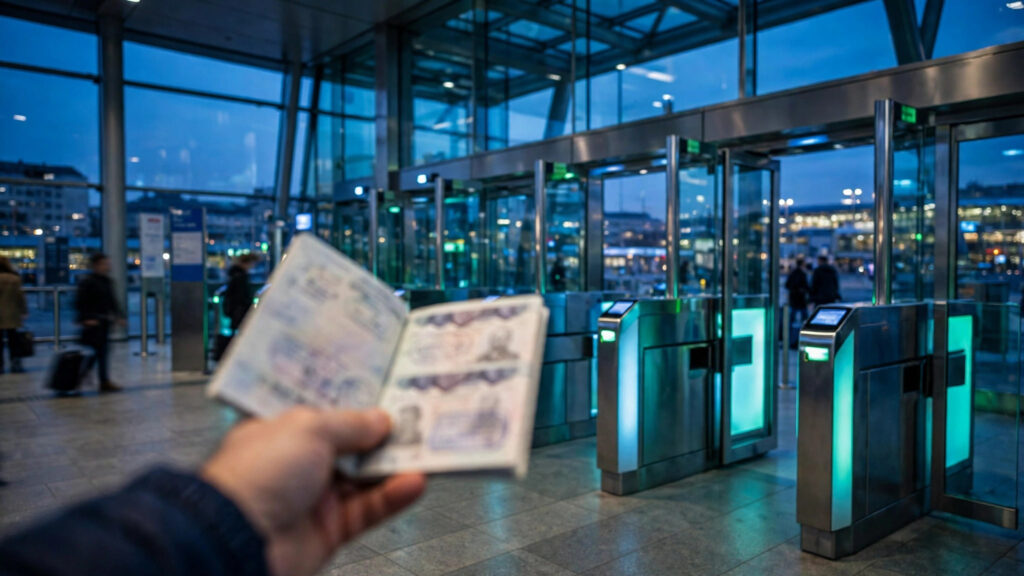
Confused about Europe’s new travel systems? Two names — EES and ETIAS — keep appearing in every Europe travel article, and now there is a new headline: the ETIAS 20 euro fee. If you are an Indian traveller, here is the one thing to know first: you do NOT need ETIAS. But you do need to understand what it is, because fraud agents are already using the confusion.
What Is ETIAS, in Simple Words
ETIAS (European Travel Information and Authorisation System) is a pre-travel authorisation for visa-free visitors to Europe. It works like a light background check before the trip — you apply online, pay a fee, and get an authorisation linked to your passport.
The key point most people miss: ETIAS is only for citizens of countries that do not need a Schengen visa — the United States, the United Kingdom, Canada, Australia, Japan and similar countries. India is a visa-required country. If you hold an Indian passport and travel on a Schengen visa, ETIAS does not apply to you at all.
The 20 Euro Fee: What Changed
The published ETIAS fee is now €20, raised from the earlier €7 amount. This increase is currently going through a two-month review by the Council and the European Parliament, so the figure could still see procedural movement before launch.
Other confirmed details:
- Validity: 3 years, or until your passport expires — whichever comes first. Most applications are expected to be processed within minutes.
- Fee exemptions: applicants under 18 and over 70 do not pay the fee, though the exemption does not automatically exempt them from applying.
- Launch: ETIAS is not in operation yet. As of early October, no applications are being collected. The European Commission says it will announce the start date several months in advance, with the current target being the last quarter of 2026.
- Transition: once live, the first 6 months are expected to be a transitional period with no authorisation required, followed by a 6-month grace period for first-time arrivals.
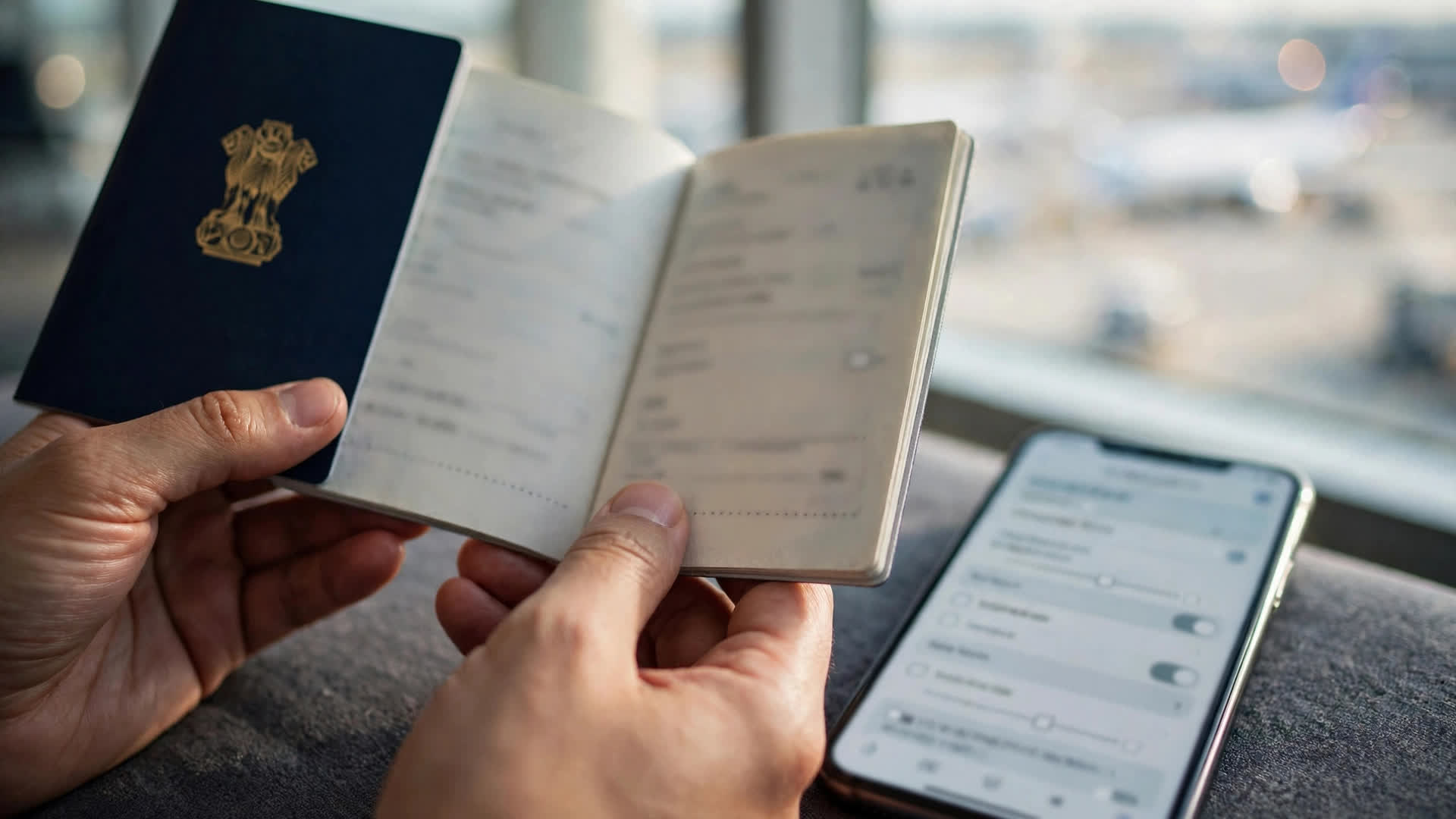
EES vs ETIAS: Do Not Mix Them Up
This is where most confusion — and most agent fraud — begins. The two systems do completely different jobs:
| System | Full Name | When It Applies | Status | Indians Affected? |
|---|---|---|---|---|
| EES | Entry/Exit System | At the border, on arrival | Live and rolling out | Yes — biometrics recorded |
| ETIAS | Travel Information & Authorisation System | Before travel, online | Not live yet | No — Schengen visa holders exempt |
EES records your visit. At Schengen borders, your fingerprints and facial image are now captured digitally instead of a passport stamp. Your entries, exits and remaining days under the 90-days-in-any-180-days rule are tracked automatically. Children under 12 generally do not give fingerprints but may still be registered.
ETIAS will be an authorisation. It applies before travel, only to visa-exempt nationalities. Your Schengen visa already covers your authorisation to enter — you do not need both.
Why This Matters for Indian Travellers Right Now
- Do not pay any agent for “ETIAS registration.” ETIAS is not live, and Indians do not need it. Any agent charging you for ETIAS is scamming you.
- Budget for the real costs. The Schengen visa fee remains €90 for adults and €45 for children aged 6–12, plus visa application centre service charges and travel insurance.
- Allow extra time at the border. First-time EES biometric registration can add several minutes at immigration — plan onward connections accordingly.
- Watch the 90/180 rule. EES tracks your days automatically; even a one-day overstay gets flagged.
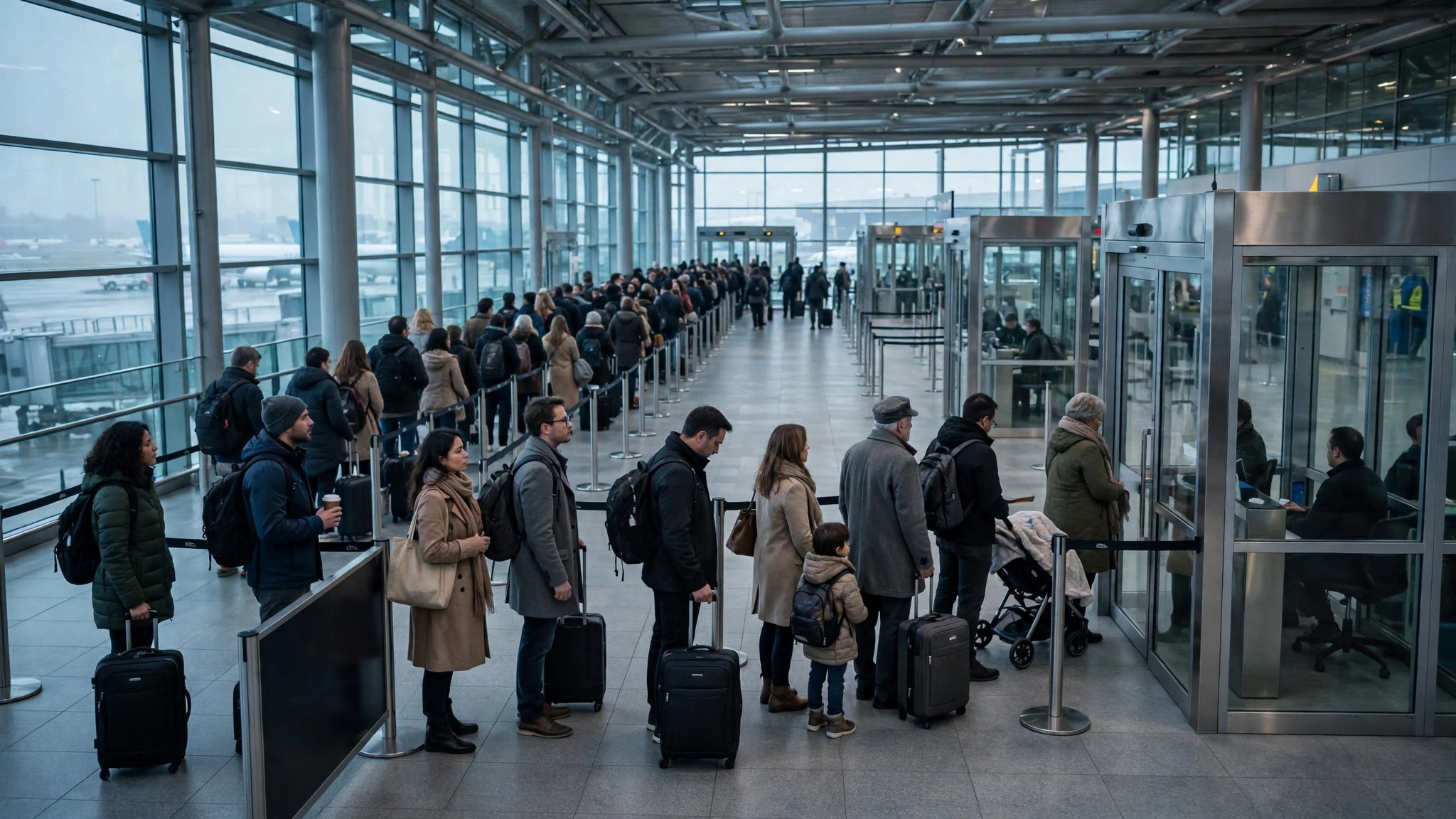
What Has Not Changed
- Indian passport holders still need a Schengen visa before travelling to Europe for tourism, business or family visits.
- The visa process continues through consulates and visa application centres; EES does not change visa rules — it only changes how your entry is recorded at the border.
Start with the visa — that is the only authorisation you need. Read our Europe travel guides on Sunlight Holidays and always verify the latest rules on the official embassy website before you apply.
Frequently Asked Questions
Do Indians need ETIAS to travel to Europe?
No. ETIAS is only for visa-exempt nationalities. Indian passport holders travel on a Schengen visa, which covers entry authorisation — you do not need ETIAS.
What is the ETIAS fee?
The published fee is €20 (raised from €7), currently under a two-month review by the Council and European Parliament. Applicants under 18 and over 70 are exempt from paying the fee.
When will ETIAS launch?
Not in operation yet; no applications are being collected. Target is Q4 2026, with the date announced months in advance.
What is EES and does it affect Indians?
Yes. EES is the EU’s digital border system recording your entry, exit and biometrics at Schengen borders, replacing manual passport stamping.
How many days can I stay in the Schengen area?
Generally up to 90 days in any 180-day period. EES tracks this automatically, so overstays are flagged without a manual stamp check.
📞 Sunlight Holidays se baat karein
Visa, tour package ya videsh job se judi kisi bhi jaankari ke liye WhatsApp karein: 9720 3449 39
💰 Payment After Reach model — bhaari advance nahi, pehle bharosa.
📝 Consultation/Application fee: ₹799 (non-refundable, kaam shuru hone ke baad)
⚠️ Disclaimer: Sunlight Holidays ek travel consultancy hai — hum sarkar, embassy ya immigration department nahi hain. Visa approval, fees, processing time aur final faisla sambandhit embassy/sarkari authority ka hota hai. Kripya antim nirnay se pehle official embassy/government website se latest jaankari verify zaroor karein.
Sources
- Travel and Tour World — “France Travel Is Now Easier To Plan As Europe Explains The New EES And ETIAS Border Rules For Visitors”: https://www.travelandtourworld.com/news/article/38zw2cky57sd/
- VisasUpdate — “Entry Exit System delayed nine countries: Schengen’s EES rollout stalls amid ETIAS delays”: https://www.visasupdate.com/post/ees-implementation-delay-schengen-nine-countries-2026
- Outlook Traveller — “Europe Travel Rules 2026: What Indian Travellers Need to Know About EES and ETIAS”: https://www.outlooktraveller.com/News/schengens-new-entry-rules-what-travellers-need-to-know-about-ees-and-etias